Light & power · 7 min read
Survival flashlight guide: lumens, runtime and beam distance that actually matter
How many lumens you really need in a blackout, why runtime beats peak output, and how to pick a torch that still works on hour 40 of a power cut.
Updated 20 August 2026
Key takeaways
- For indoor blackout use, 100-300 lumens is enough; 800+ lumens is for searching outdoors and drains cells fast.
- Runtime on the lowest usable mode is the number that decides whether you have light on night three.
- A torch with a memory of the last mode, and a tail switch you can find in the dark, beats extra brightness.
- Carry one rechargeable primary light and one AA/AAA backup so you are not tied to a single charging method.
Lumens are a marketing number — read the runtime table instead
Peak lumens are measured for the first 30 seconds, before the torch heats up and steps down. A light sold as 2,000 lumens often settles at 400-600 lumens within two minutes. In a survival situation you are not looking for a headline figure, you are looking for the output you can hold for hours without cooking the emitter or emptying the cell.
Read the manufacturer's runtime table from the bottom up. A useful blackout torch gives you 40-100 hours on a low mode of 10-30 lumens, several hours at 150 lumens for cooking, cleaning and moving around a dark house, and a burst mode you use in seconds, not minutes.
- 5-30 lumens: reading, tent, moving around a room, all-night use
- 100-300 lumens: household tasks, walking a path, checking a fuse box
- 500-1,000 lumens: outdoor search, spotting hazards, signalling
- 1,500+ lumens: short bursts only — expect heat and thermal step-down
Battery chemistry decides how your light behaves in the cold
Lithium-ion 18650 and 21700 cells give the highest output and are rechargeable from a power bank or solar panel, which is why they are the default for a primary light. They lose capacity in the cold, so keep spares in an inside pocket during winter.
Lithium AA primaries survive long storage and freezing temperatures better than alkaline, and they never leak inside a torch you left in a drawer for two years. That combination — one rechargeable light plus one AA-powered backup on lithium primaries — covers both the long grid-down scenario and the torch you grab in the first ten seconds.
- Never store alkaline cells inside a torch you keep in a bug-out bag
- Rotate rechargeable cells to roughly 50-70% charge for long storage
- Note the cell type on the outside of the light with tape so a helper can find spares
The survival scenario: a 72-hour winter power cut
A storm takes the grid down at 17:00 in January. It is dark by 16:30, so you face roughly 16 hours of darkness per day. If your whole plan is one 1,000-lumen torch, you will be rationing it by the second evening.
The workable setup is layered. A headlamp on 20 lumens keeps both hands free for cooking and first aid. A lantern or a torch standing on its tail bouncing light off a white ceiling lights an entire room without blinding anyone. The high-output torch stays in the hallway for going outside to check the roof, the meter or a neighbour. Each layer has a different job, and each one is rationed differently.
- Headlamp: hands-free tasks, lowest usable mode, all night
- Lantern or ceiling-bounce torch: one shared room of light
- High-output torch: outdoors, short trips, hazard spotting
- Chemical or LED marker light: bathroom, stairs, children's room
Features worth paying for, and features that are noise
Ingress protection of IPX7 or better means the torch survives being dropped in a puddle or used in driving rain — normal conditions in most European emergencies. A metal body with a knurled grip is easier to hold in wet gloves than a smooth polymer one.
Strobe and SOS modes sound useful and are mostly in the way; if a torch buries the low mode behind a strobe cycle, you will fumble it in the dark. Mode memory, a physical lockout to stop the light turning on inside your bag, and a beam with a wide spill rather than a pure spot are the features that pay off.
Frequently asked questions
How many lumens do I need for a survival flashlight?
For indoor emergency use 100-300 lumens is plenty, with a 5-30 lumen mode for all-night use. Choose 500-1,000 lumens only if you need to search outdoors or spot hazards at distance.
Are rechargeable or AA flashlights better for emergencies?
Carry both. A rechargeable 18650 or 21700 torch gives the most output and refills from a power bank or solar panel; an AA torch running lithium primary cells works after years in storage and in freezing temperatures.
How long should a torch last in a power cut?
Plan for 16 hours of darkness a day in winter. A light with 40+ hours of runtime on its low mode covers a 72-hour outage without recharging, which is why runtime matters more than peak lumens.
Light & power gear in stock
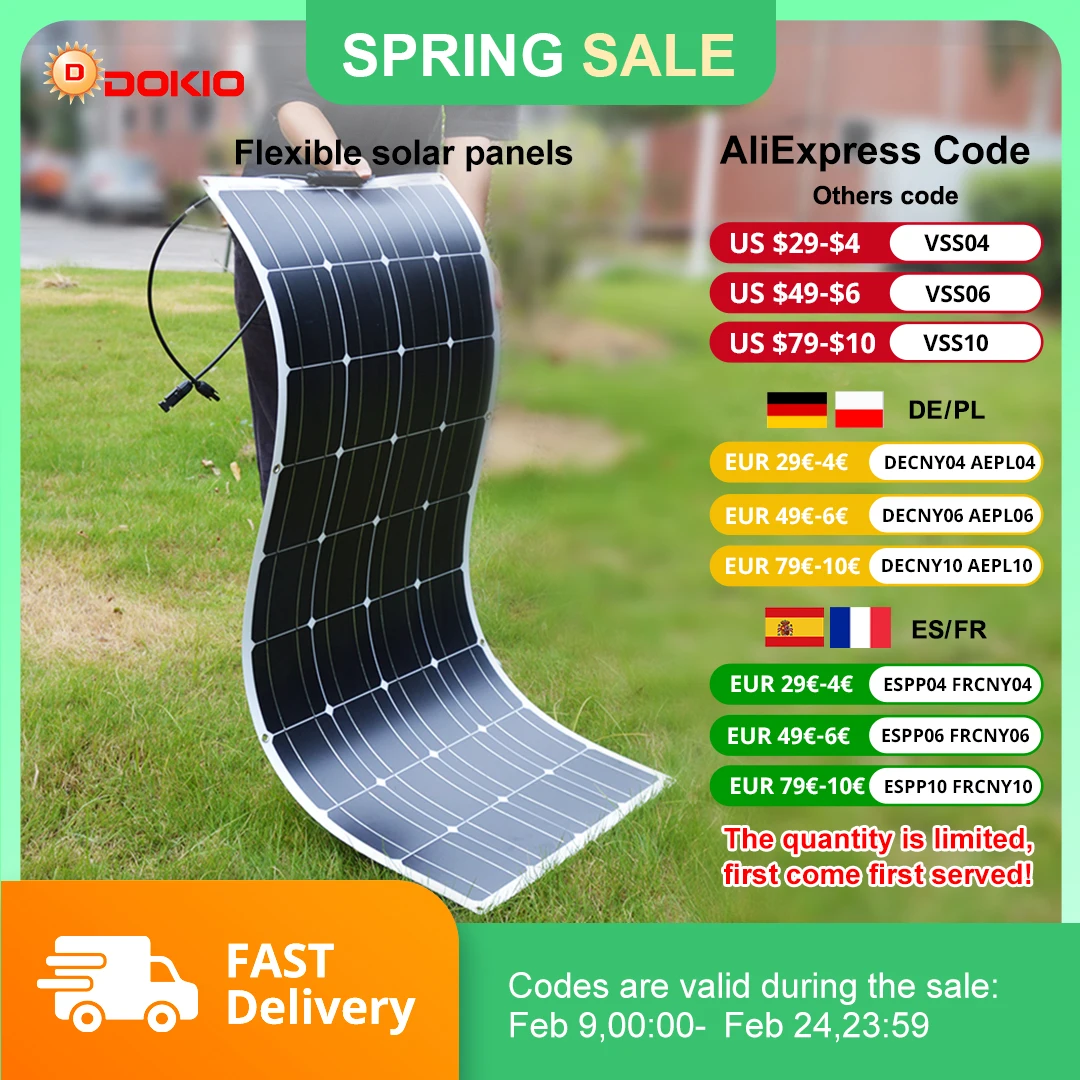
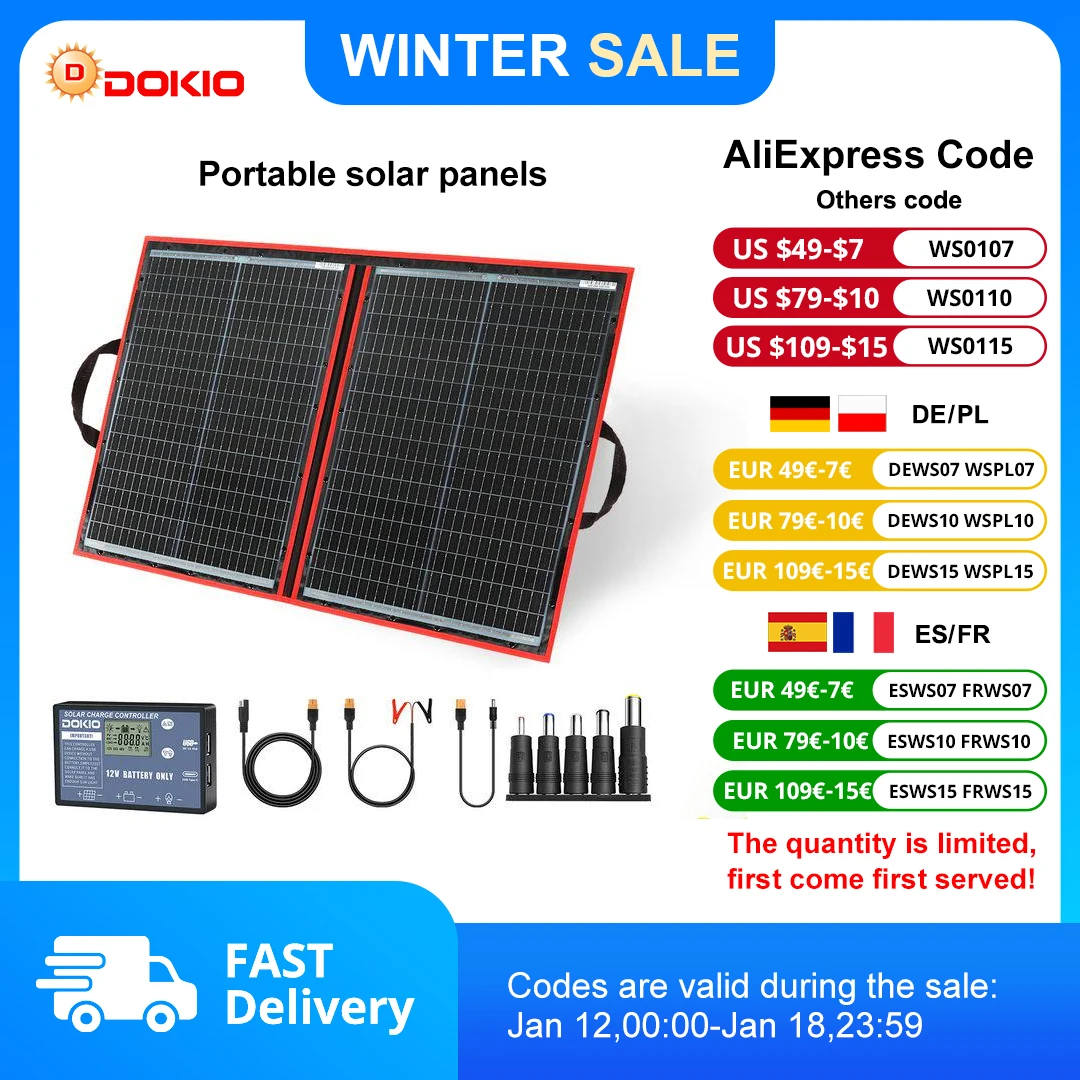
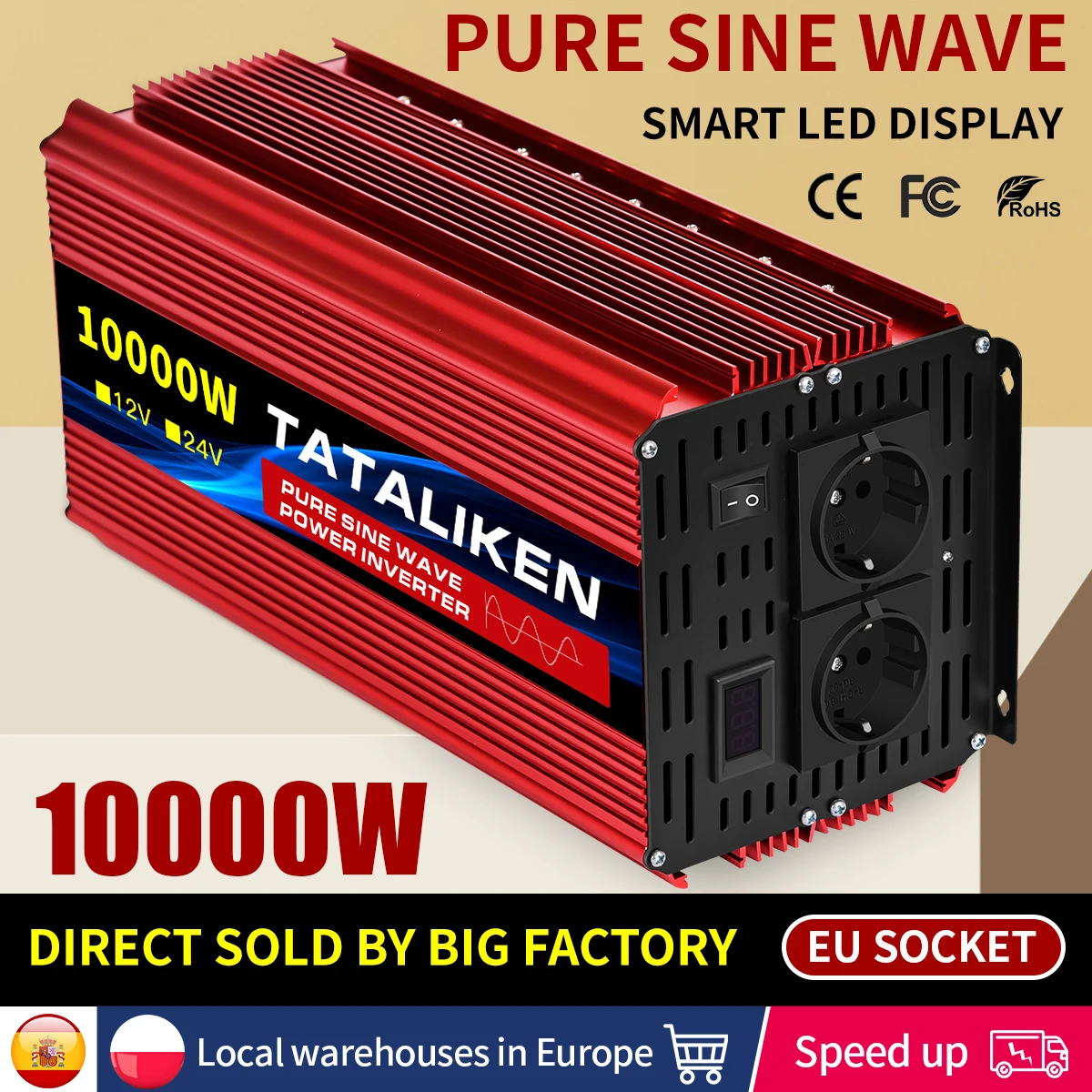
Dispatched from EU warehouse, delivered in 5-8 days.
Shop all light & power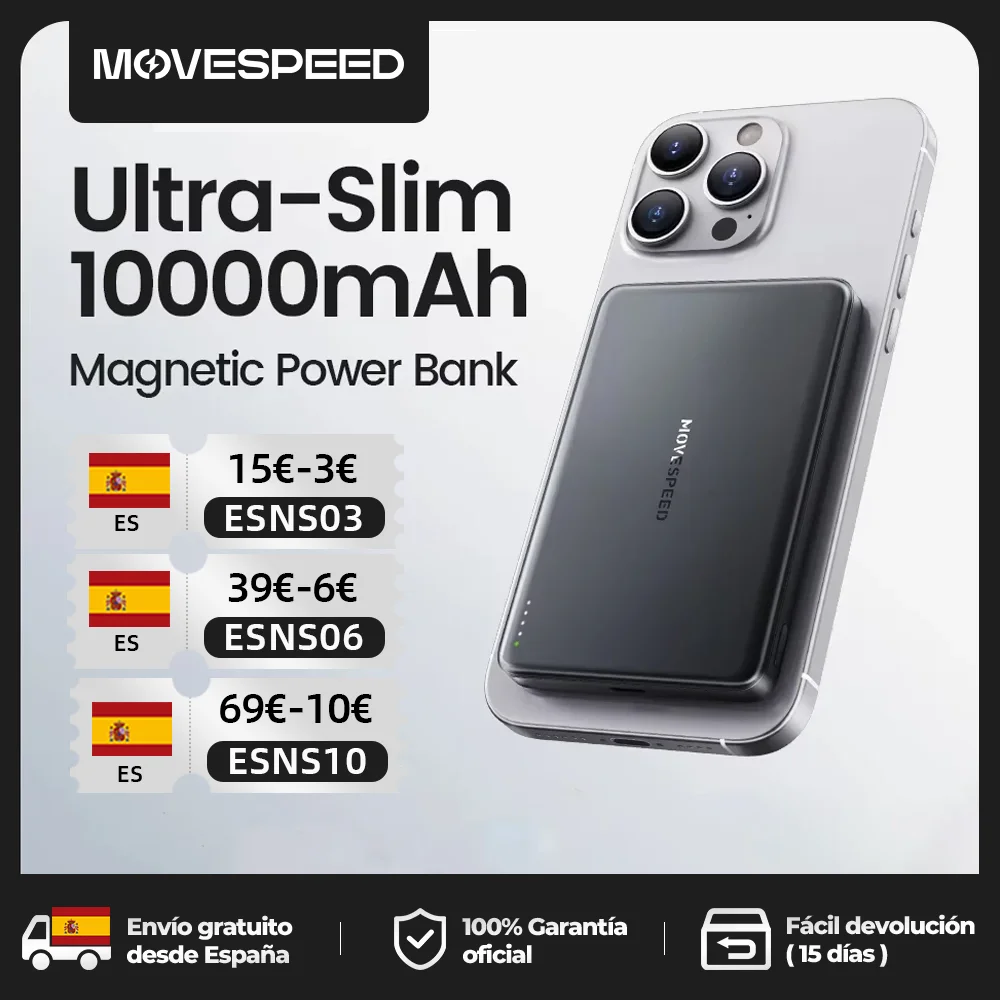
Ready-made kits for this
Prefer not to shop item by item? These kits already cover the gear in this guide, built from EU stock and priced by budget.
- Apartment · ReadyApartment ready72 hours without power or tap waterView kit
- House · ReadyHouse readyOutage, storm or water cut for several daysView kit
- On the go · CompleteGo-bag completeSelf-sufficient for a week away from homeView kit
Keep reading
- How to size a power bank for a blackout: phones, radios and headlampsWork out the watt-hours your household actually needs in a 72-hour outage, why advertised mAh overstates real capacity, and how to charge safely without the grid.
- Headlamp, lantern or torch: how to light a home during a power cutEach light does one job well. Here is how to layer a headlamp, a lantern and a torch so a dark house stays workable and safe for days.
- Solar charging for preppers: realistic expectations for northern EuropeWhat a folding solar panel actually delivers under a grey sky, how to pair it with a power bank, and when a hand-crank or 12 V source is the smarter fallback.