Light & power · 7 min read
Solar charging for preppers: realistic expectations for northern Europe
What a folding solar panel actually delivers under a grey sky, how to pair it with a power bank, and when a hand-crank or 12 V source is the smarter fallback.
Updated 20 August 2026
Key takeaways
- Panels are rated in perfect lab conditions; expect 50-70% of the rating in summer sun and far less under winter overcast.
- Always charge a power bank from the panel, never a phone directly — passing clouds interrupt the charge and confuse the device.
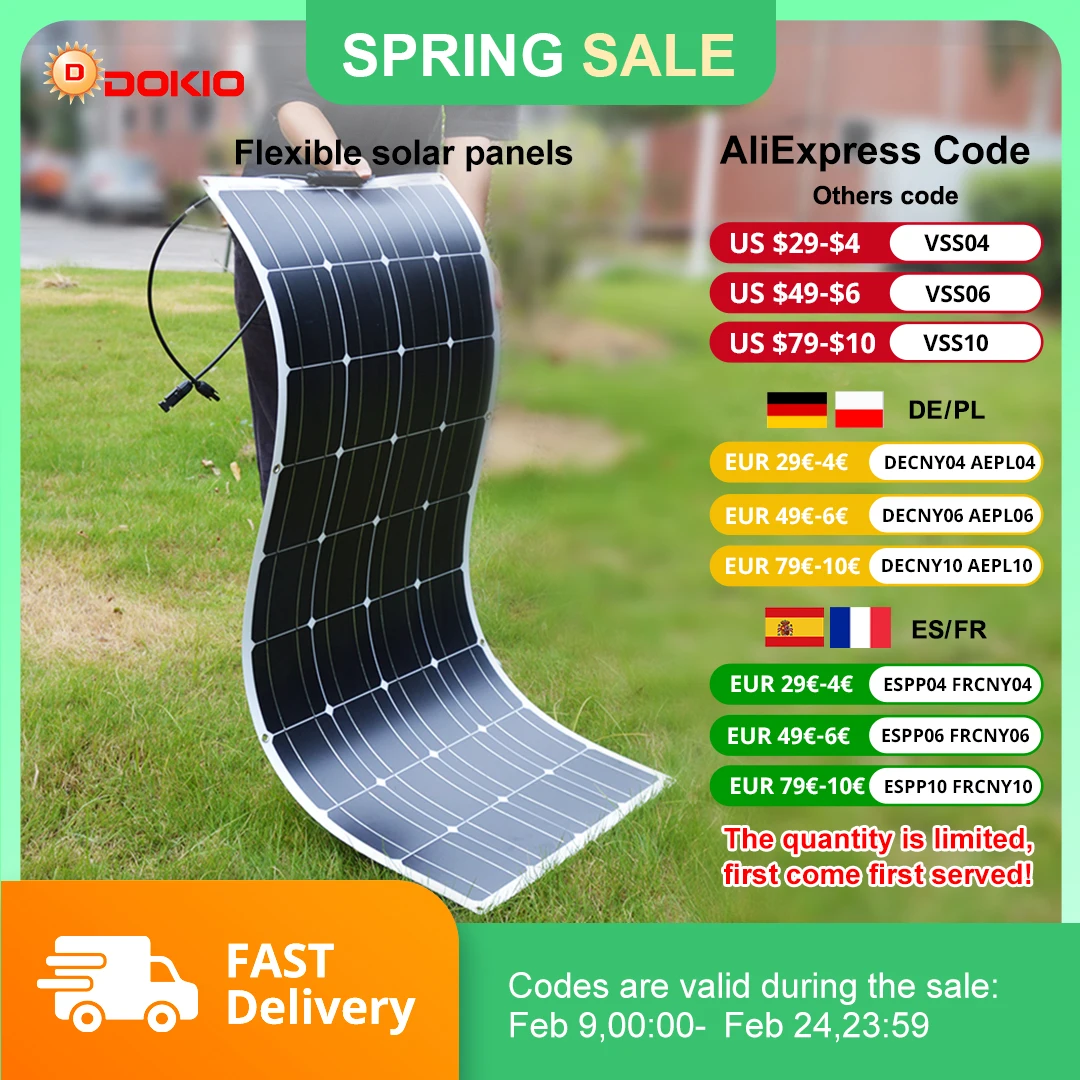
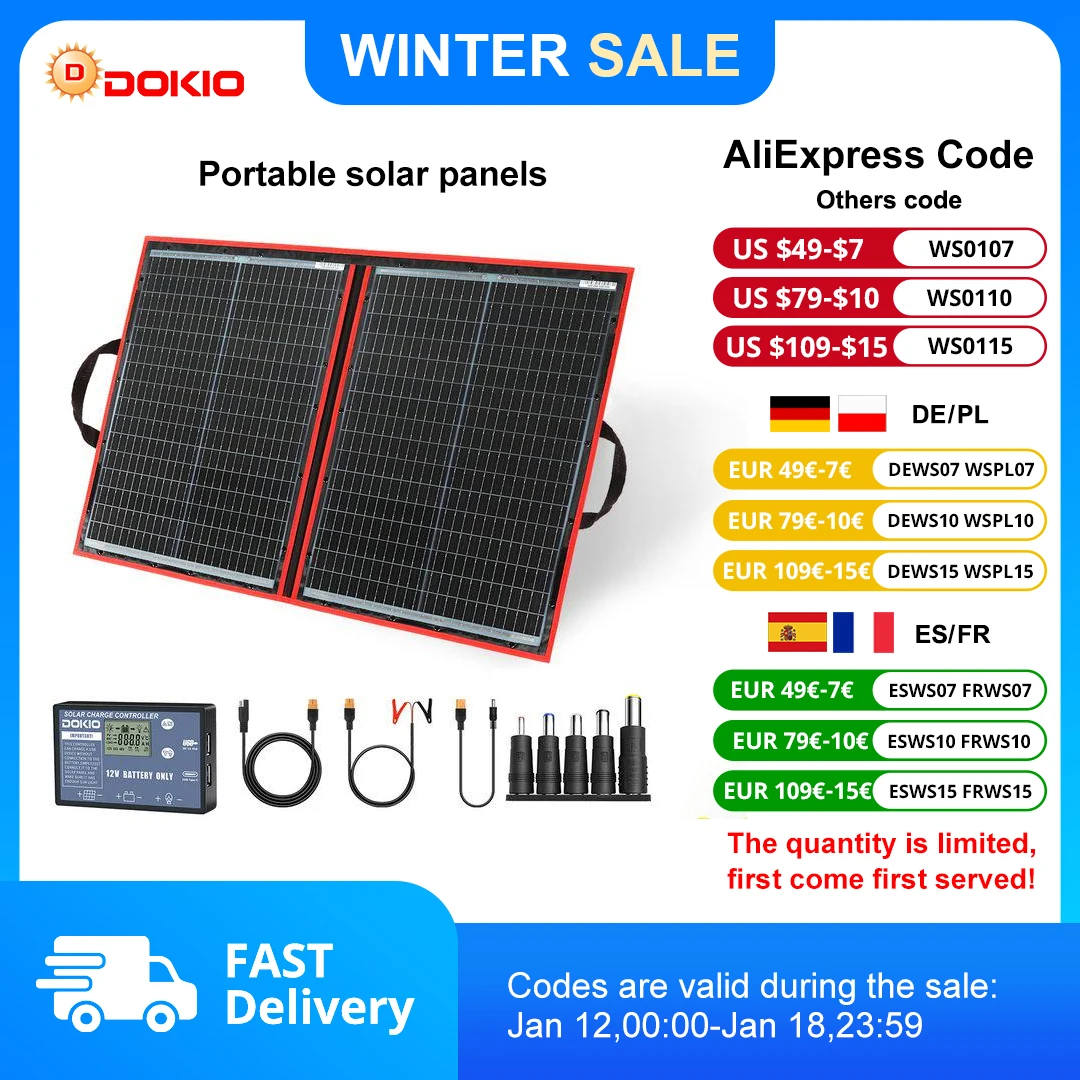
- A 20-30 W folding panel is the sweet spot for lights, phones and a radio.
- In a winter outage a 12 V car socket or a hand-crank radio is more dependable than solar.
What a folding panel really produces
A panel labelled 28 W is measured at 1,000 W/m² with the panel square to the sun and cool. On a clear northern European summer day, angled roughly right, expect 15-20 W. Under thick winter overcast at a low sun angle, the same panel may deliver 2-4 W — enough to trickle a power bank over a day, not enough to charge anything on demand.
That is why solar belongs in the plan as a recharge path for stored energy, not as a power source you depend on. Store the energy in a power bank while the sun is out, then spend it after dark.
- Clear summer day: roughly 50-70% of the rated wattage
- Bright overcast: roughly 20-30%
- Heavy winter overcast: often under 15%
- Re-aim the panel every hour or two — angle matters more than size
The survival scenario: a week-long grid outage in autumn
Storm damage takes a rural area off the grid for six days. Your two power banks cover the first 72 hours. From day four onwards, a folding panel on a south-facing windowsill or a garden wall becomes the difference between a working phone and no communications at all.
The routine that works: panel out at first light, power bank connected all day, devices charged in the evening from the bank. That keeps a phone, a headlamp and a radio alive indefinitely, at a slower pace than normal life but faster than any emergency service can restore power.
- Charge the bank from the panel by day, devices from the bank at night
- Keep the panel out of shadow, including thin branch shadow — it hits output hard
- Secure the panel against wind; a folded panel in a gust ends up broken
Fallbacks that work without sun
A 12 V car socket adapter turns any vehicle into a generator: 20 minutes of idling refills a phone and puts a useful charge into a power bank. Keep the fuel tank above half through the winter and the car becomes your most reliable charging source.
A hand-crank or dynamo radio with a USB output produces very little energy — minutes of cranking for minutes of talk time — but it is the one option that works in a cellar in January with no sun and no fuel. Treat it as an alerts and comms lifeline, not a charger.
Building the light-and-power layer of your kit
A complete layer for a household looks like this: two power banks, one headlamp per person, one lantern per shared room, one high-output torch, a 20-30 W folding panel, a 12 V adapter, a hand-crank radio and a labelled box of spare cells. Nothing on that list is exotic, and all of it works together rather than duplicating one function.
Test the whole layer once a year on a deliberately dark evening. Switch off the consumer unit for two hours after sunset and cook a meal by headlamp and lantern. You will find the dead cell, the missing adapter and the torch nobody could locate — while a working grid is still one switch away.
Frequently asked questions
Is solar charging worth it for prepping in northern Europe?
Yes, as a recharge path for stored energy rather than a primary source. A 20-30 W folding panel keeps phones, lights and a radio running in a long outage, but winter overcast can cut output below 15% of the rating.
Should I charge my phone directly from a solar panel?
No. Charge a power bank from the panel and your phone from the bank. Passing clouds interrupt the current, which repeatedly stops and restarts a phone charge and can damage the battery over time.
What is the most reliable way to charge devices without the grid?
A 12 V car socket adapter. Twenty minutes of engine idling charges a phone and adds useful capacity to a power bank, which makes a vehicle with fuel more dependable than solar in winter.
Light & power gear in stock
Dispatched from EU warehouse, delivered in 5-8 days.
Shop all light & power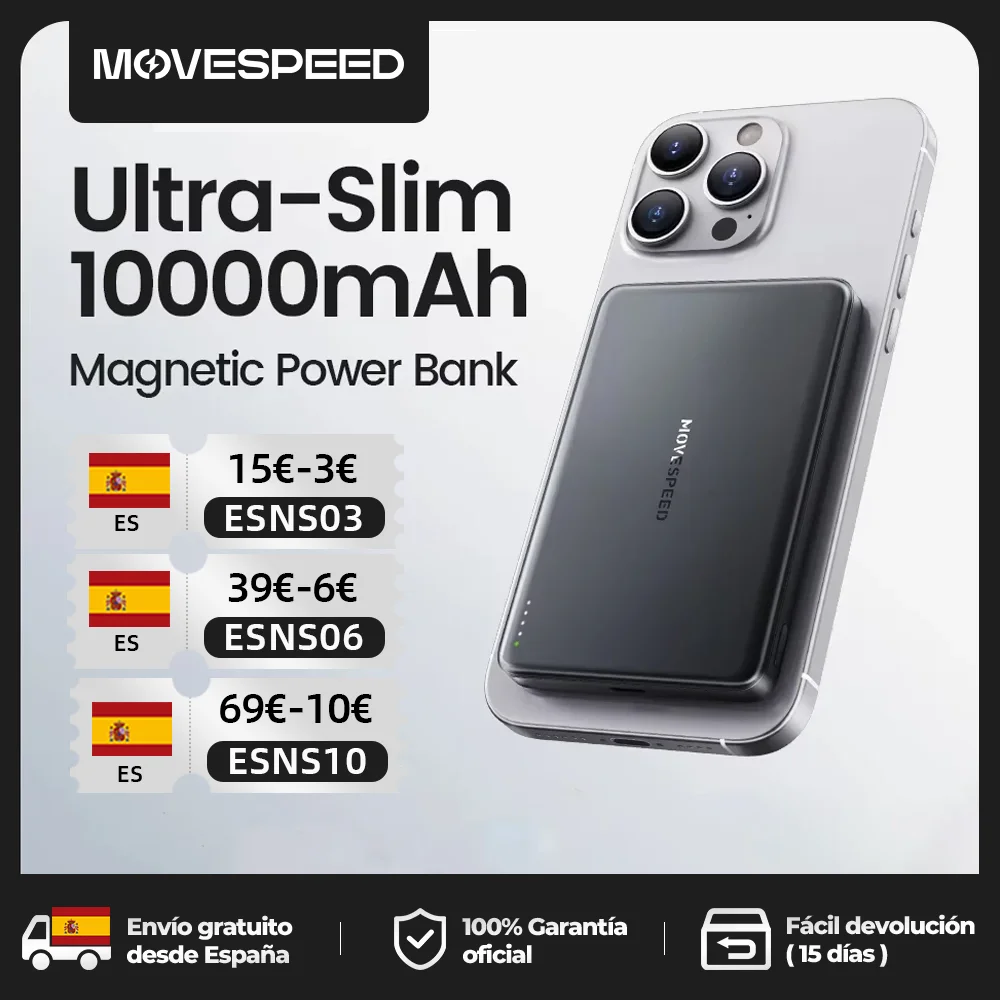
Ready-made kits for this
Prefer not to shop item by item? These kits already cover the gear in this guide, built from EU stock and priced by budget.
- Apartment · ReadyApartment ready72 hours without power or tap waterView kit
- House · ReadyHouse readyOutage, storm or water cut for several daysView kit
- On the go · CompleteGo-bag completeSelf-sufficient for a week away from homeView kit
Keep reading
- Survival flashlight guide: lumens, runtime and beam distance that actually matterHow many lumens you really need in a blackout, why runtime beats peak output, and how to pick a torch that still works on hour 40 of a power cut.
- How to size a power bank for a blackout: phones, radios and headlampsWork out the watt-hours your household actually needs in a 72-hour outage, why advertised mAh overstates real capacity, and how to charge safely without the grid.
- Headlamp, lantern or torch: how to light a home during a power cutEach light does one job well. Here is how to layer a headlamp, a lantern and a torch so a dark house stays workable and safe for days.