Light & power · 8 min read
How to size a power bank for a blackout: phones, radios and headlamps
Work out the watt-hours your household actually needs in a 72-hour outage, why advertised mAh overstates real capacity, and how to charge safely without the grid.
Updated 20 August 2026
Key takeaways
- Convert mAh to watt-hours before comparing packs: 20,000 mAh at 3.7 V is about 74 Wh, and real output is 60-70% of that.
- A 20,000 mAh pack realistically refills a modern phone three times, not the five printed on the box.
- One 20,000-25,000 mAh pack per adult, plus a small pack dedicated to a headlamp and radio, covers 72 hours.
- Charge the pack to full at the start of every storm warning — a stored pack self-discharges over months.
Do the maths in watt-hours, not mAh
Advertised mAh is measured at the internal cell voltage of 3.7 V, while your phone charges at 5 V or higher. Converting up, plus conversion losses and heat, means you get roughly 60-70% of the printed figure at the USB port. A 20,000 mAh pack is about 74 Wh of stored energy and delivers around 45-52 Wh in practice.
Set that against real loads. A modern phone battery is 15-20 Wh. A DAB/FM emergency radio with a lithium cell is 5-10 Wh. A headlamp cell is 10-13 Wh. So one 20,000 mAh pack covers roughly three phone charges, or two phone charges plus a radio and a headlamp top-up.
- Phone: 15-20 Wh per full charge
- Headlamp / torch 18650 cell: 10-13 Wh
- Emergency radio: 5-10 Wh
- Tablet: 30-40 Wh — deprioritise it in an outage
The survival scenario: three days without grid power
In a 72-hour outage the phone is not entertainment, it is your link to emergency alerts, weather warnings and family check-ins. Put it in flight mode with mobile data off between check-ins and one charge can last a full day, turning a single power bank into a three-day communications budget for one person.
For a household of two adults and two children, plan on two 20,000-25,000 mAh packs for phones, plus one smaller 10,000 mAh pack kept with the radio and headlamps so nobody raids the communications reserve to charge a games console.
- Flight mode plus scheduled check-ins cuts phone drain by more than half
- Dim the screen fully — the display is the biggest single load
- Label one pack COMMS and keep it with the radio, not in a kitchen drawer
Recharging when the grid is gone
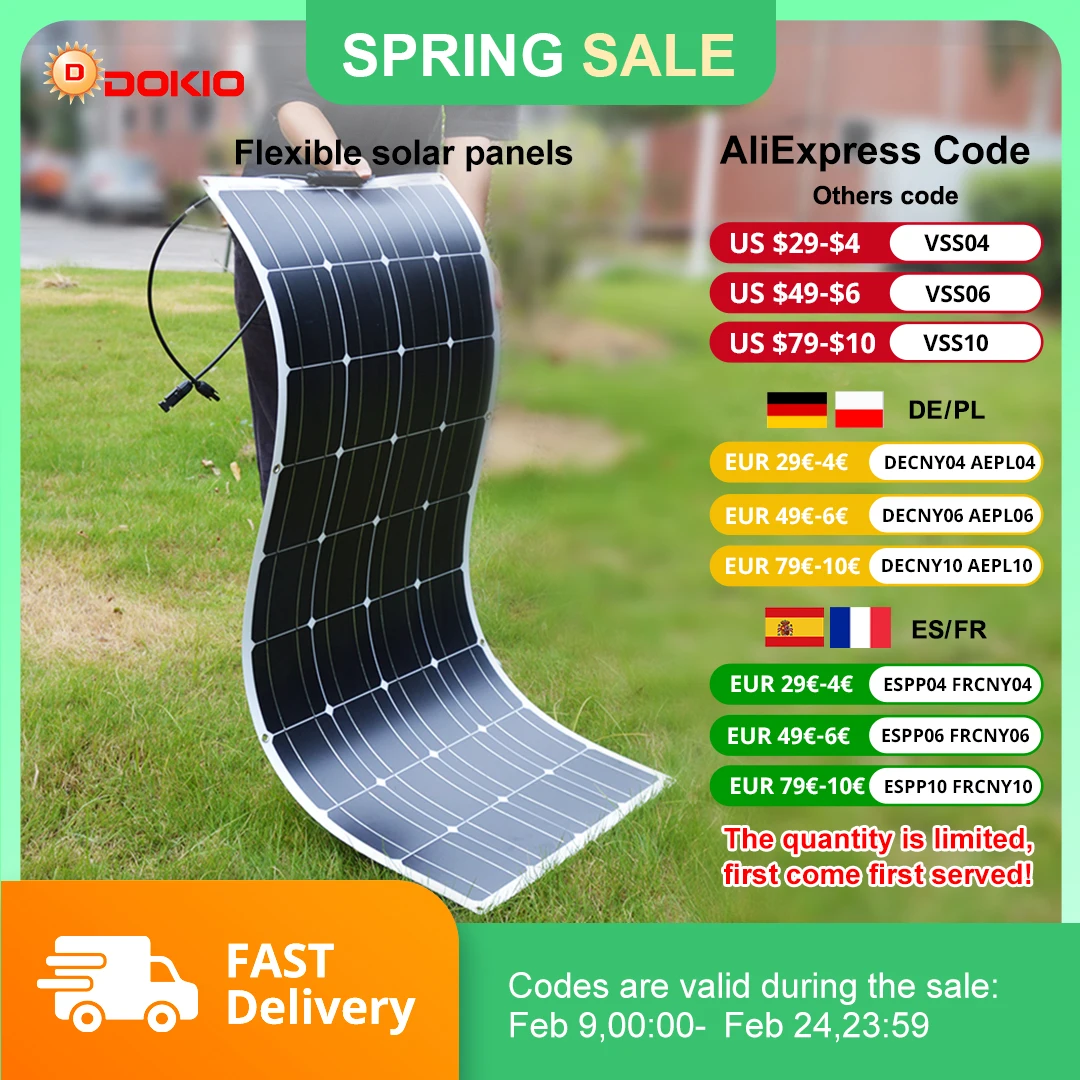
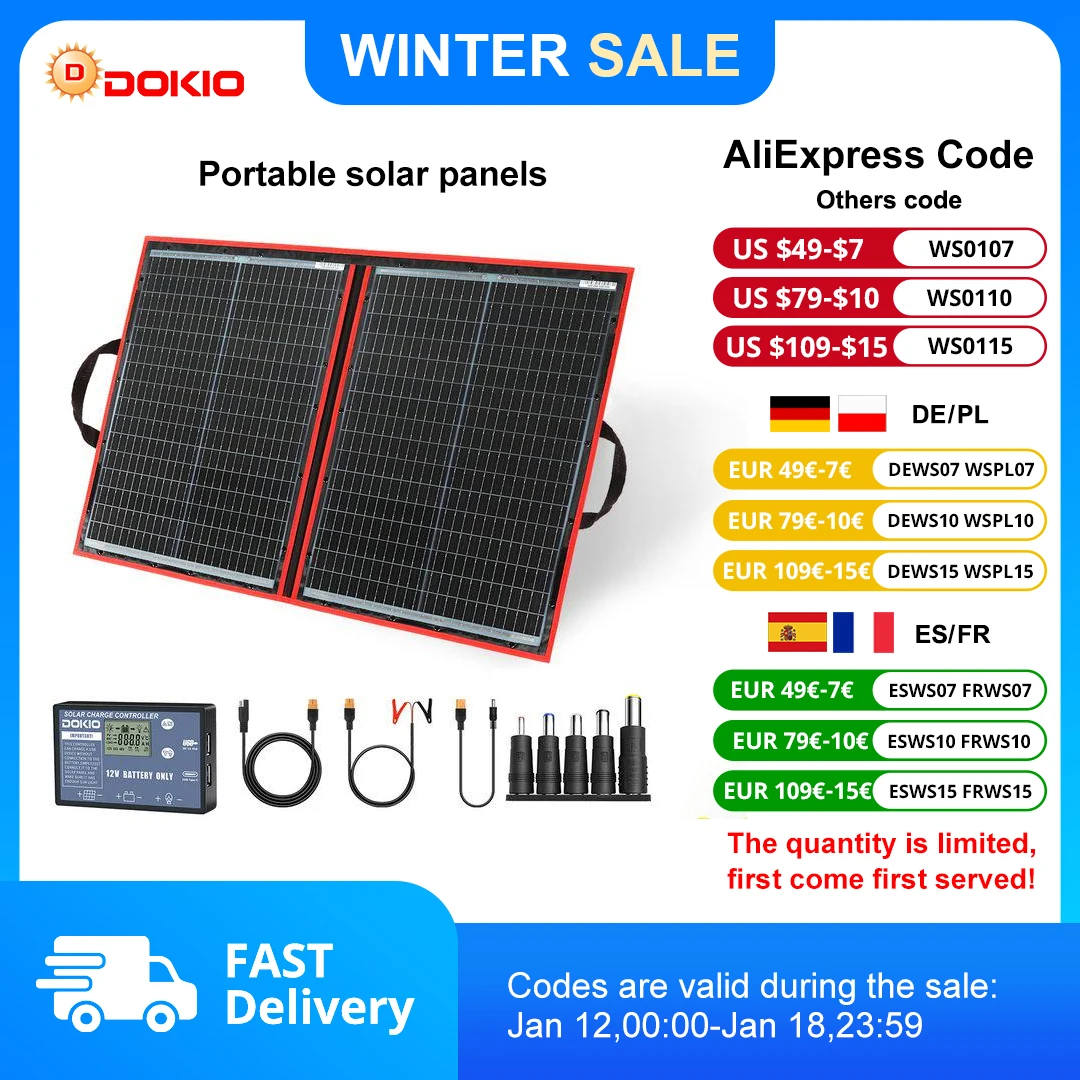
A folding solar panel of 20-30 W will refill a 20,000 mAh pack in roughly 5-8 hours of good sun, and far longer under a grey European winter sky — treat solar as a trickle that extends your reserve, not as a replacement for it. A 12 V car socket adapter is the more reliable option in a short outage: 20 minutes of engine idling refills a phone comfortably.
Pass-through charging, where the pack charges while it powers a device, is worth checking on the spec sheet. It lets you run a light off the pack during the day while a panel feeds it, which is exactly the workflow you want in a longer outage.
- 20-30 W folding panel: realistic daily top-up for one pack
- 12 V car adapter: fastest reliable option in a short outage
- USB-C PD with 30 W or more: refills the pack quickly when the grid returns
Storage, safety and cold weather
Lithium packs lose a few percent per month in storage and degrade if left empty for a long time. Keep stored packs at 50-70% and set a calendar reminder every three months to top them up; charge to 100% as soon as a storm warning appears.
Below freezing, capacity drops sharply and charging a cold cell damages it. Warm a pack in an inside pocket before charging anything from it. Never charge a swollen, dented or water-soaked pack, and keep packs off bedding and away from anything flammable while charging.
Frequently asked questions
What size power bank do I need for a 3-day power cut?
One 20,000-25,000 mAh pack per adult covers roughly three phone charges over 72 hours with the phone in flight mode. Add a separate 10,000 mAh pack for a radio and headlamps.
How many phone charges does a 20,000 mAh power bank give?
About three full charges of a modern phone. The printed capacity is measured at 3.7 V, and conversion losses mean you get roughly 60-70% of it at the USB port.
Can a solar panel keep a power bank charged in winter?
Only partly. A 20-30 W folding panel needs 5-8 hours of good sun for a full 20,000 mAh pack, and northern European winter light can double or triple that. Treat solar as a top-up alongside stored capacity.
Light & power gear in stock
Dispatched from EU warehouse, delivered in 5-8 days.
Shop all light & power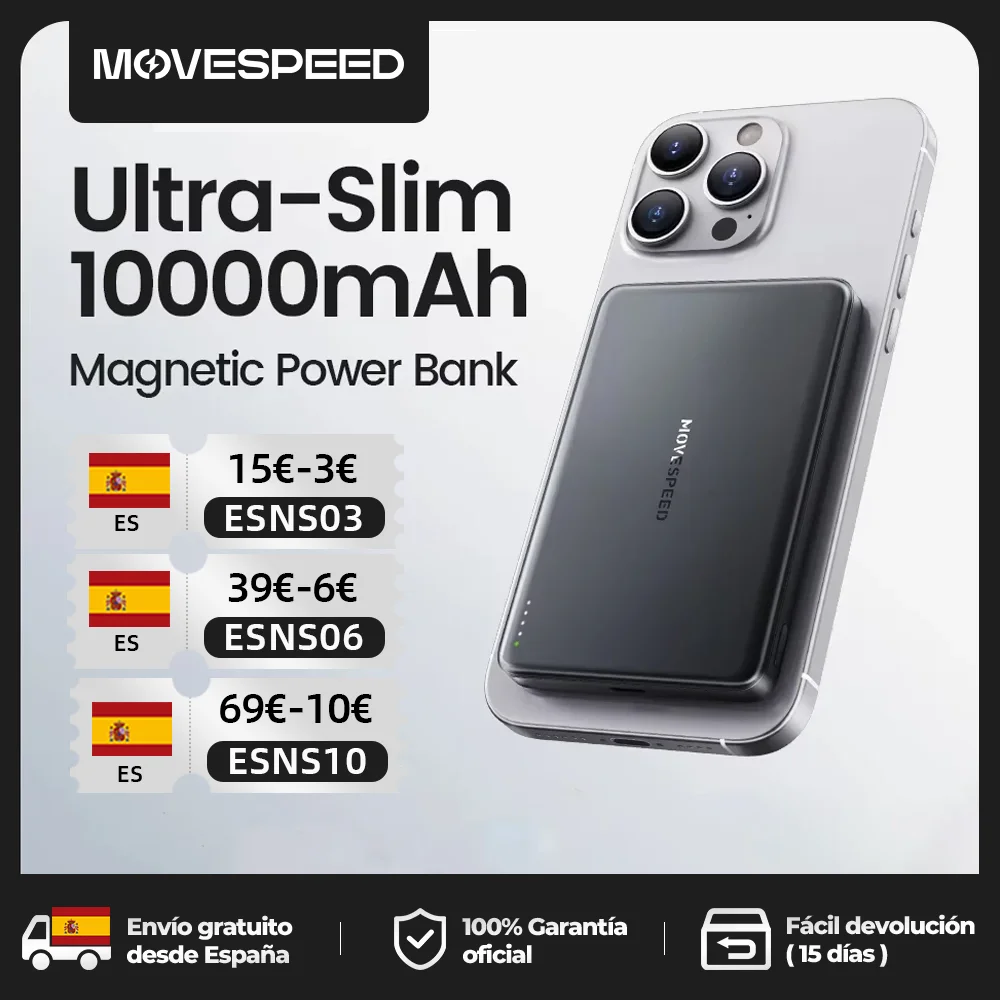
Ready-made kits for this
Prefer not to shop item by item? These kits already cover the gear in this guide, built from EU stock and priced by budget.
- Apartment · ReadyApartment ready72 hours without power or tap waterView kit
- House · ReadyHouse readyOutage, storm or water cut for several daysView kit
- On the go · CompleteGo-bag completeSelf-sufficient for a week away from homeView kit
Keep reading
- Survival flashlight guide: lumens, runtime and beam distance that actually matterHow many lumens you really need in a blackout, why runtime beats peak output, and how to pick a torch that still works on hour 40 of a power cut.
- Headlamp, lantern or torch: how to light a home during a power cutEach light does one job well. Here is how to layer a headlamp, a lantern and a torch so a dark house stays workable and safe for days.
- Solar charging for preppers: realistic expectations for northern EuropeWhat a folding solar panel actually delivers under a grey sky, how to pair it with a power bank, and when a hand-crank or 12 V source is the smarter fallback.