Shelter · 7 min read
Staying warm without heating: how to hold heat in one room
Heat the person, then one room, then never the whole house. Sleep systems, insulation tricks and the temperatures that actually become dangerous.
Updated 20 August 2026
Key takeaways
- Heat the person first: layers, hat and a sleeping bag beat trying to warm a whole house.
- Pick one small internal room, close it off, and insulate windows and door gaps.
- Sleeping bag comfort ratings are for someone wearing base layers on an insulated mat.
- Indoor temperatures below about 12 °C become a real health risk for the very young and old.
Three layers of the problem
Warmth in a cold house works outward. Your clothing layers trap body heat, your sleep system holds it overnight, and the room is only there to slow the loss. Trying to reverse that order — heating air in a large space — burns fuel you do not have.
Wool or synthetic base layers, a fleece, a hat and dry socks make a bigger difference than any appliance. Most heat management is just avoiding damp: wet clothing strips heat many times faster than dry.
- Base layer, mid layer, insulated layer, hat, dry socks
- Change out of anything damp immediately
- Move: a short burst of activity re-warms faster than sitting still
- Eat and drink warm — digestion generates heat
Turning one room into the warm room
Choose a small internal room with few external walls and windows. Close doors, block gaps at the bottom with towels, hang blankets over windows at night and open curtains on any sunny side during the day. Cardboard or bubble wrap on the glass is unglamorous and genuinely effective.
Everyone sleeps in that room. Shared body heat in a small space is a meaningful heat source, and it keeps the household together for morale and safety.
The survival scenario: a winter storm with no heat for four days
Outside is -5 °C and the house drifts down through the first day. Households that manage this well set up the warm room before they are cold, because doing it after dark, tired and chilled, is far harder.
A sleeping bag rated well below the temperature you expect, on a foam or self-inflating mat rather than directly on a cold floor, is the single most valuable purchase. Ground and floors pull heat out of you all night; the mat matters as much as the bag.
- Set the warm room up early, in daylight
- Insulated mat under every sleeper — not just a bag
- Blankets over windows at night, curtains open to any sun
- Watch the oldest and youngest for cold-related symptoms
Frequently asked questions
What temperature is dangerous indoors?
Below roughly 18 °C is uncomfortable and below about 12 °C becomes a health risk, particularly for infants, older people and anyone with a heart or lung condition.
What sleeping bag rating do I need for a cold house?
Choose a comfort rating several degrees below the coldest temperature you expect, and always use an insulated mat — floor contact is where most heat is lost.
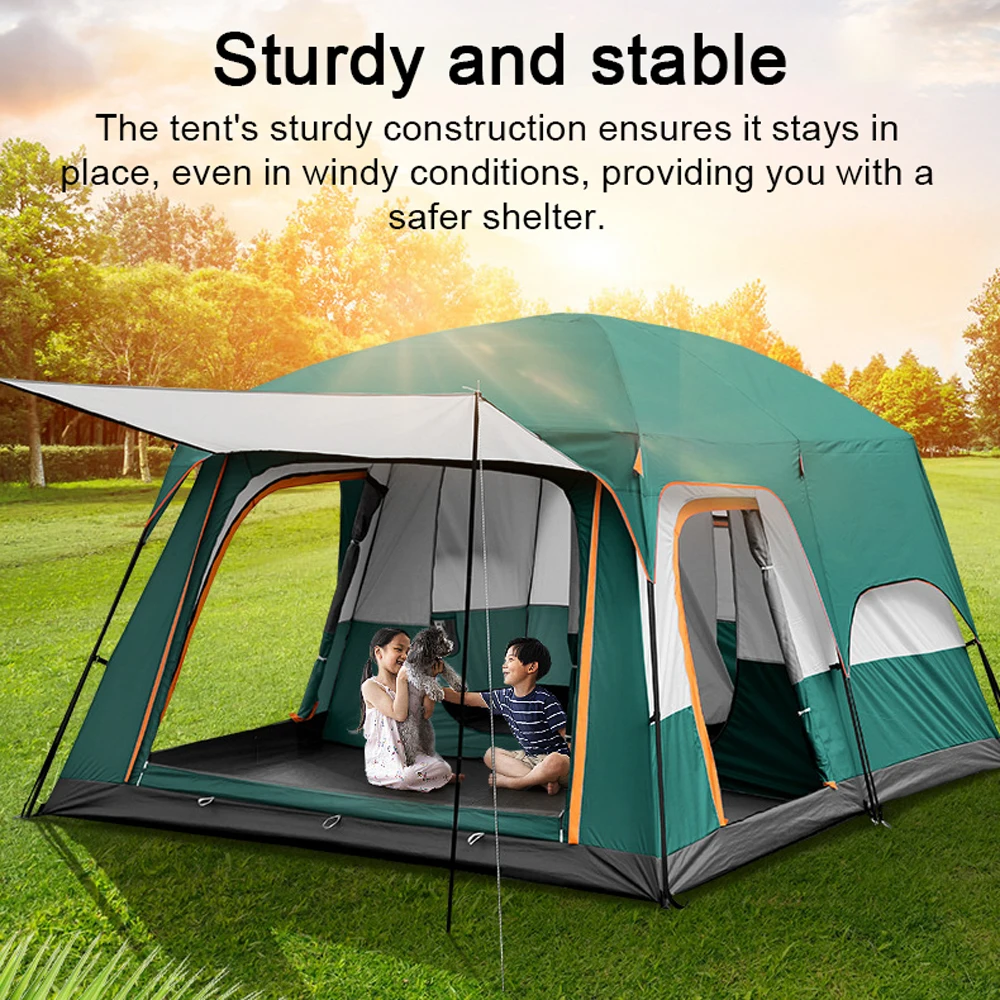
Is a tent indoors a good idea?
Yes, surprisingly. A small tent pitched inside a room traps body heat in a much smaller volume and is a proven trick for families with young children.
Shelter gear in stock
Dispatched from EU warehouse, delivered in 5-8 days.
Shop all shelter


Ready-made kits for this
Prefer not to shop item by item? These kits already cover the gear in this guide, built from EU stock and priced by budget.
- House · CompleteHouse completeThe full household setupView kit
- On the go · CompleteGo-bag completeSelf-sufficient for a week away from homeView kit
- House · ReadyHouse readyOutage, storm or water cut for several daysView kit