Bags · 7 min read
Choosing a bug-out bag: size, fit and the features that earn their weight
Why 30-45 litres suits most people, how a hip belt changes carrying comfort, and which MOLLE and organisation features are genuinely useful.
Updated 20 August 2026
Key takeaways
- 30-45 litres fits a 72-hour kit; larger packs invite overpacking you cannot carry.
- A load-bearing hip belt transfers weight to your legs and matters more than fabric denier.
- A discreet pack draws less attention than obvious military styling in a city.
- Water resistance plus a separate dry bag beats trusting the pack alone.
Volume follows the kit, not the ambition
Pack size decides weight because empty space gets filled. A 72-hour kit — clothing, water, filter, first aid, light, food, shelter layer, documents — fits comfortably in 30-45 litres. Go to 60 or 70 litres and the same kit grows to fill it.
If you need to carry more, split the load: a compact pack you can move fast with, plus a duffel or wheeled bag in the car for the supplies you would take if you are driving rather than walking.
Fit, suspension and the features that matter
Torso length, not height, determines fit. A hip belt that sits on the iliac crest moves most of the weight from shoulders to legs, which is what makes 12 kilos walkable. Load-lifter straps pull the top of the pack toward your shoulders and stop it dragging backwards.
Useful features: a full clamshell opening so you can find gear without unpacking, a separate bottom compartment, compression straps, and external attachment for a bottle or roll mat. Skipping laptop sleeves and endless small zip pockets keeps weight down.
- Padded, load-bearing hip belt — not a thin webbing strap
- Clamshell or wide U-zip access to the main compartment
- Compression straps to stabilise a partly loaded pack
- Rain cover or an internal dry bag for the sleep layer
The survival scenario: leaving on foot in the rain
Roads are blocked and you walk five kilometres to a friend's house in November rain. Two things decide how that goes: whether the pack carries its weight on your hips, and whether your dry clothes are still dry when you arrive.
No pack is fully waterproof at the seams and zips. Line the main compartment with a heavy-duty liner or pack clothing in a dry bag, and keep documents in a sealed sleeve. Dry socks and a dry base layer at the other end are worth more than any amount of extra gear.
Frequently asked questions
What size bag do I need for a 72-hour kit?
30-45 litres is right for most people. Bigger packs get overloaded, and a load you cannot carry for an hour is not a plan.
Is MOLLE webbing useful?
It is handy for adding a first aid pouch or bottle carrier you want reachable without opening the pack. Beyond a couple of pouches it adds weight and bulk.
Should a bug-out bag look tactical?
In an urban European setting a plain hiking pack attracts less attention and is easier to move with. Choose military styling for its features, not its looks.
Bags gear in stock
Dispatched from EU warehouse, delivered in 5-8 days.
Shop all bags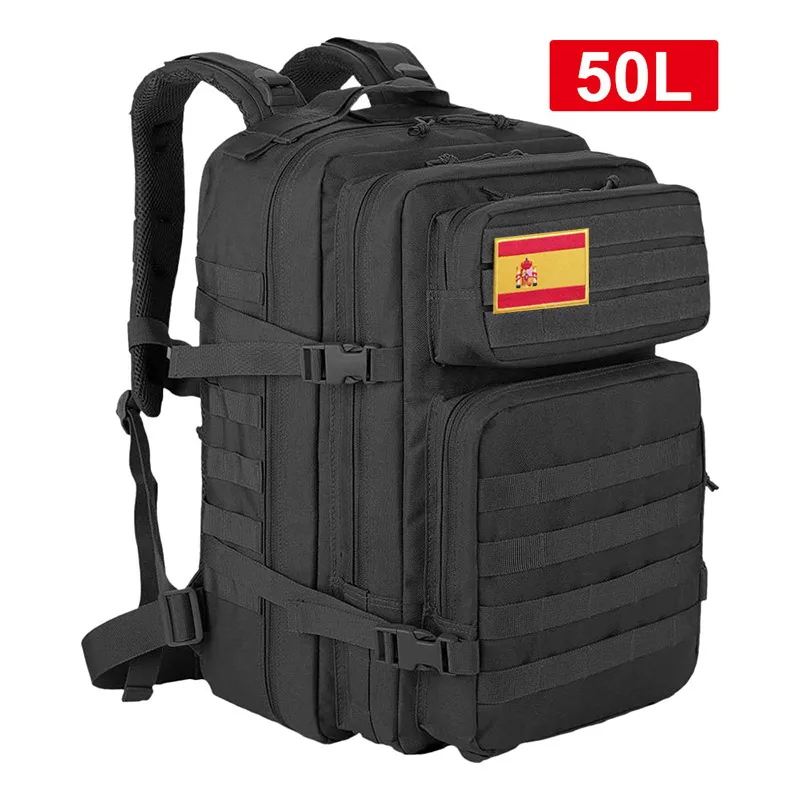
Ready-made kits for this
Prefer not to shop item by item? These kits already cover the gear in this guide, built from EU stock and priced by budget.
- On the go · StarterGo-bag starterOne bag by the doorView kit
- On the go · ReadyGo-bag ready72-hour evacuation bagView kit
- On the go · CompleteGo-bag completeSelf-sufficient for a week away from homeView kit