Fire · 7 min read
Camp stove fuel choices for emergencies: gas, spirit, wood or solid fuel
How the four common stove fuels behave in the cold, how long a canister really lasts, and which combination makes sense for a household power cut.
Updated 20 August 2026
Key takeaways
- Gas canisters are the fastest and cleanest, but performance drops in the cold and they store finite fuel.
- Spirit stoves are near-silent and simple with no moving parts, at the cost of slow boil times.
- Wood stoves have unlimited fuel outdoors and none of it indoors — treat them as a garden option.
- Solid fuel tablets are the cheap, compact backup that survives years in a drawer.
Matching fuel to the emergency, not the hobby
For a household power cut lasting days, what matters is boiling water repeatedly with minimal fuss: hot drinks, rehydrated meals, water treatment. Gas does that best, with instant control and no priming.
Where gas struggles is deep cold and resupply. Canister pressure falls as temperature drops, and once the shops are shut your fuel is what you already own. That is the argument for keeping a second stove on a different fuel rather than a bigger pile of the same canisters.
- Gas: fastest boil, simple, weakest in cold, finite canisters
- Spirit: simplest mechanism, fuel widely available, slow and heat-sensitive
- Wood: unlimited outdoor fuel, smoke and soot, outdoors only
- Solid fuel: tiny and shelf-stable, low output, ideal as a backup
How much fuel a real week needs
Plan by boils, not by grams. A household of four wanting hot drinks morning and evening plus one hot meal a day boils roughly four to six litres of water daily. That is a meaningful amount of gas over a week, and it is the number people underestimate.
Buy a spare canister the day you buy the stove, and store fuel outside living space — a shed, a garage or a ventilated cupboard, never next to a heat source.
The survival scenario: cooking through a five-day outage
With no power, food planning shifts to things that need one pot of boiling water. Rice, pasta, instant oats, dehydrated meals and soup all work on a single burner, and the same boiling routine doubles as water treatment if the supply is under a notice.
Set a fixed cooking window each day rather than lighting the stove on demand. It saves fuel, keeps the ventilation routine deliberate, and gives the household a rhythm — which matters more than people expect by day three.
Frequently asked questions
Which stove fuel is best for winter?
A gas mix with a high propane or isobutane content, kept warm before use, or a spirit stove which is unaffected by canister pressure. Standard butane performs poorly near freezing.
How much gas should I store for a power cut?
Estimate by boils: four to six litres of water a day for a family of four. Keep at least one spare canister beyond your estimate and store it in a ventilated space away from heat.
Can I use a wood stove indoors?
No. Small wood-burning camp stoves produce smoke and carbon monoxide and belong outdoors or in a doorway with the flue outside. Indoors, use a gas or spirit stove with ventilation.
Fire gear in stock
Dispatched from EU warehouse, delivered in 5-8 days.
Shop all fire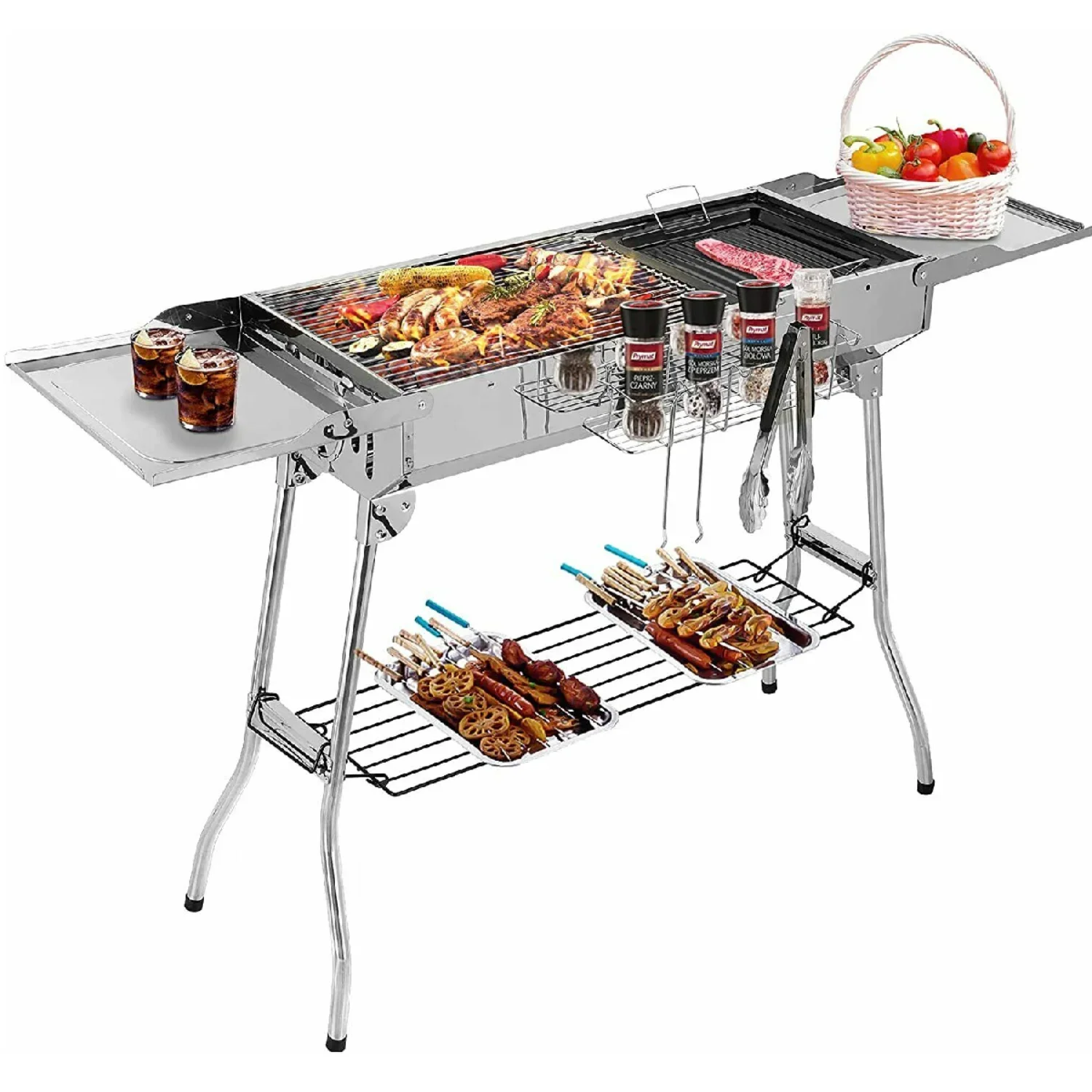
Ready-made kits for this
Prefer not to shop item by item? These kits already cover the gear in this guide, built from EU stock and priced by budget.
- House · StarterHouse starterCover the basics for a whole householdView kit
- House · ReadyHouse readyOutage, storm or water cut for several daysView kit
- On the go · ReadyGo-bag ready72-hour evacuation bagView kit